YRIA is a high-street skincare brand from Paros, Greece, that redefines luxury through "Ancestral Essentialism." Rooted in the island’s ancient identity, the project utilizes a "Power of Few" strategy to deliver a premium 3-in-1 ritual (Face, Hair, Body) tailored for both the high-end boutique guest and the minimalist camper. By stripping away synthetic complexity and embracing Parian ingredients like wild sage and sea salt, YRIA transforms a daily necessity into a cultural artifact. The design explores three versatile packaging solutions—Regular, Travel, and Liquid—bridging the gap between rugged utility and sophisticated, modern minimalism.
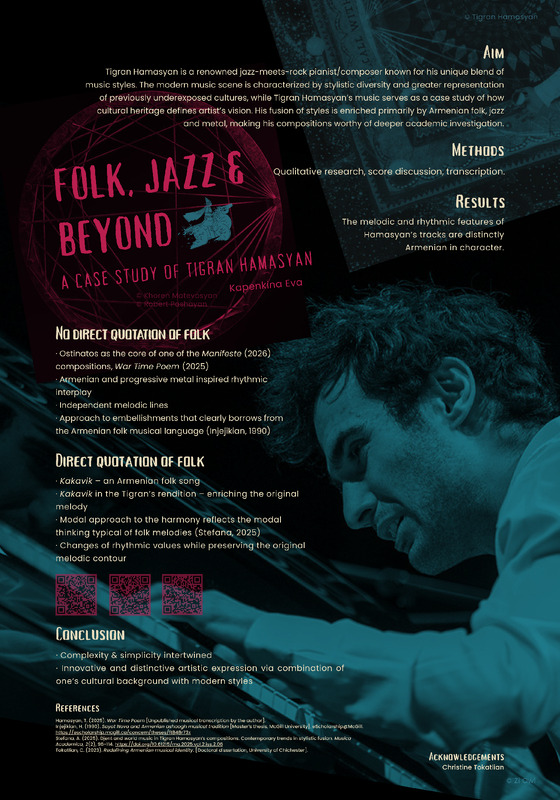
"In the research presented, the influence of Armenian folk music on Tigran Hamasyan’s musical output is discussed. Acknowledgement of Armenian influences is crucial to one’s understanding of Hamasyan's unique style, which blends folk with jazz, metal, Indian classical music and electronic music. Research on authentic Armenian music yielded into a vast collection of musical material united by similar modal, rhythmic and melodic thinking. Comparative analysis of folk music and Hamasyan's works demonstrates how Armenian folklore has impacted the composer's musical language, resulting in Armenian sound being deeply integrated in his music."
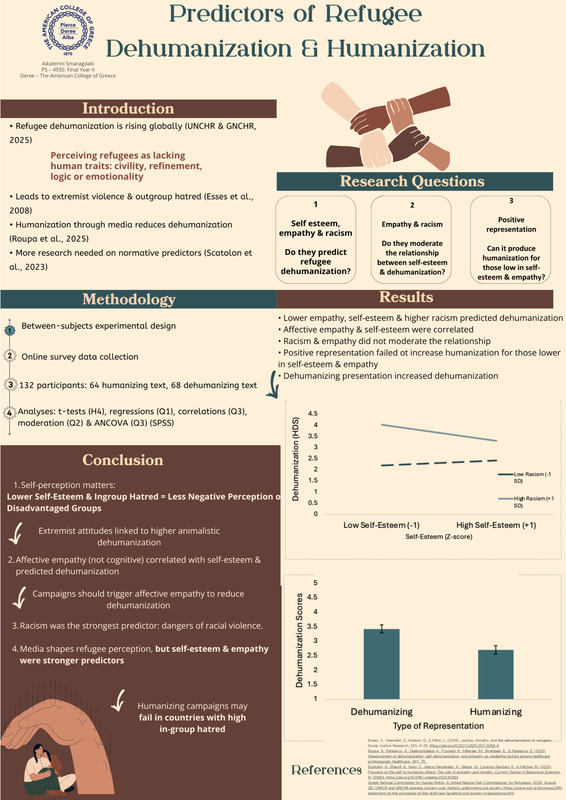
"Extremist attitudes towards refugees have increased in recent years, a phenomenon strongly
associated to their dehumanization. The literature establishes various predictors of outgroup
dehumanization, often derived from dark personality traits such as narcissism and sadism. This
research aims to further understand the perpetrators of refugee dehumanization, through the
measurement of normative personality traits such as self-esteem and empathy. Moreover,
understanding methods of refugee rehumanization was prioritized. To do so, two groups of
participants (N=132) were showcased two contrasting pieces of text that either humanized
(N=64) or dehumanized refugees (N=68). Participants were then measured for their levels of
self-esteem, empathy, refugee dehumanization as well as racism. It was found that all three
variables (self-esteem, empathy, racism) were significant predictors of refugee dehumanization,
with racism being the strongest. A correlation between levels of self-esteem and empathy was
also established. Further analysis showed that racism and empathy did not moderate the
relationship between self-esteem and dehumanization. Lower levels of empathy and self-esteem
were found to reduce the chances of rehumanization of refugees after positive presentation.
Lastly, the text presentation was found to be a strong influence on levels of refugee
dehumanization. These results, offer a greater theoretical understanding of who is more likely to
dehumanize refugees and as a result support extremist action towards them. Furthermore, an in
depth understanding of how refugee presentation can facilitate their dehumanization has been
offered. "
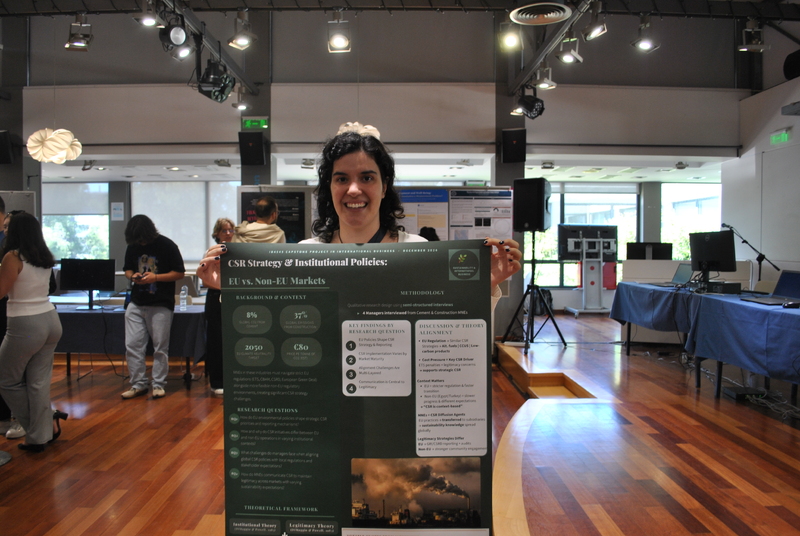
This study examines how Multinational Enterprises (MNEs) adapt Corporate Social Responsibility (CSR) strategies across EU and non-EU markets in the cement and construction industries. Drawing on institutional and legitimacy theory, it uses qualitative data from manager interviews to explore how regulatory pressures shape CSR practices. Findings show that strict EU policies drive structured reporting, transparency, and investment in sustainable technologies, while non-EU markets exhibit more flexible, context-specific CSR approaches due to weaker regulations and lower stakeholder awareness. MNEs balance global consistency with local adaptation through knowledge transfer and targeted communication, while facing challenges in aligning diverse institutional and stakeholder expectations.
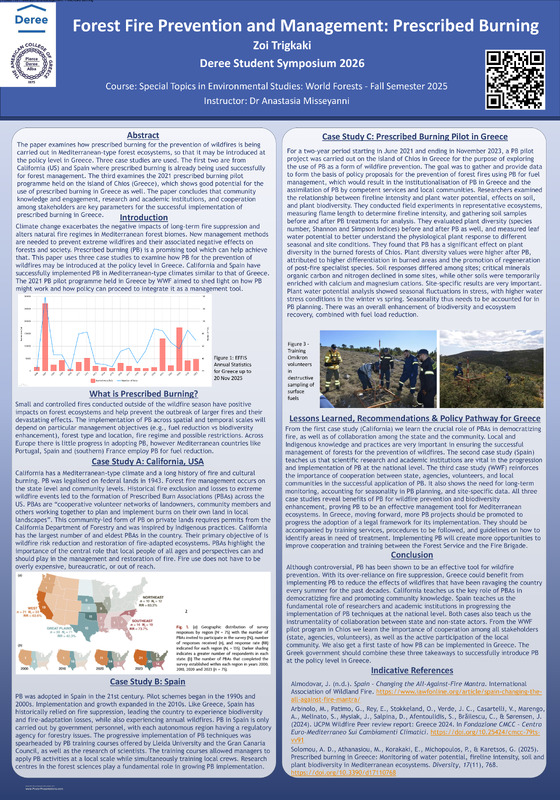
The paper examines how prescribed burning for the prevention of wildfires is being carried out in Mediterranean-type forest ecosystems, so that it may be introduced at the policy level in Greece. Three case studies are used. The first two are from California (US) and Spain where prescribed burning is already being used successfully for forest management. The third examines the 2021 prescribed burning pilot programme held on the island of Chios (Greece), which shows good potential for the use of prescribed burning in Greece as well. The paper concludes that community knowledge and engagement, research and academic institutions, and cooperation among stakeholders are key parameters for the successful implementation of prescribed burning in Greece.
This study examines how extraction conditions influence the phenolic composition and antibacterial activity of Arbutus unedo L. leaf extracts. Neutral and acidified protocols were compared using phytochemical screening and in vitro antibacterial assays against Staphylococcus aureus, Escherichia coli, and Pseudomonas aeruginosa. Antibacterial activity was assessed by microdilution with CFU confirmation, while TLC provided chemical profiling. Neutral extracts showed no activity, whereas acidified extracts inhibited S. aureus and weakly affected P. aeruginosa, with no effect on E. coli. Results highlight the importance of extraction methodology and support further investigation into phenolic compounds and synergistic antibacterial strategies.
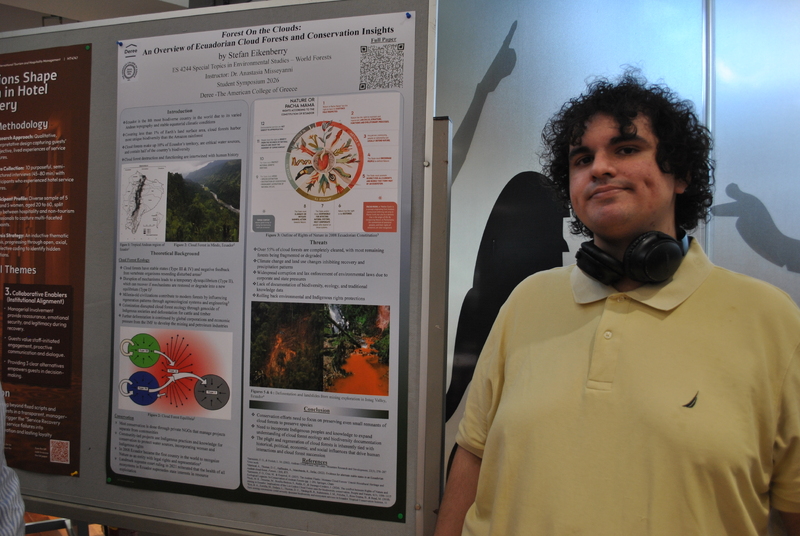
This work focuses on human-cloud forest relationships utilizing the Ecuadorian Andes as a case study, discussing the evolution of human-nature relationships and emphasizing the synergy of human and natural forces in the formation and functioning of ecosystems. Special attention is given to Andean biogeography, cloud forest equilibria, and the role humans have played in influencing cloud forest biodiversity in the precolonial, colonial, and modern era of Ecuador, discussing historical and economic developments in tandem with changing cloud forest distribution and composition. By synthesizing sociopolitical, economic, ecological, and historical trends, this work presents nuanced insights into conservation design and management.
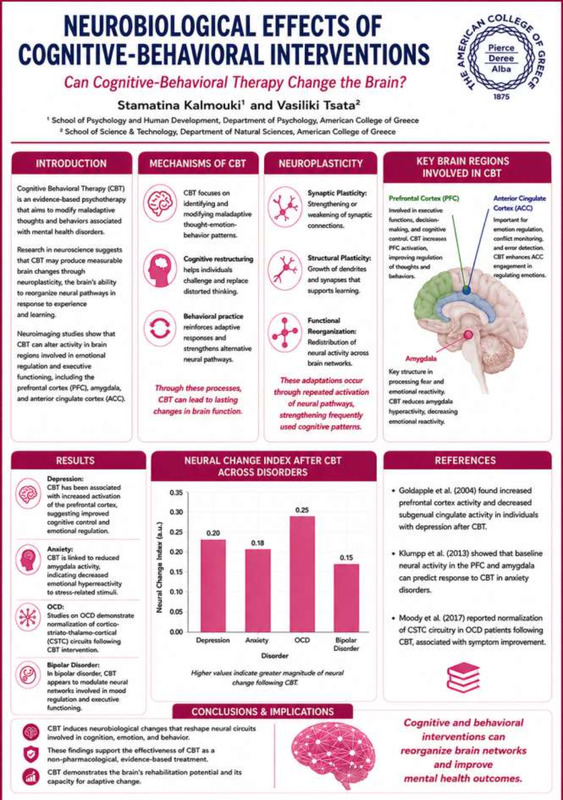
This poster explores the extent to which Cognitive Behavioral Therapy (CBT) can induce measurable neurobiological change through neuroplasticity. By targeting maladaptive thought–emotion–behavior cycles, CBT promotes synaptic and structural plasticity as well as functional brain reorganization. Neuroimaging studies demonstrate alterations in key regions such as the prefrontal cortex, amygdala, and anterior cingulate cortex across disorders including depression, anxiety, and OCD. These findings highlight the mind–brain interaction and support CBT as an effective non-pharmacological intervention.
"Intimate partner cyberstalking (ICPS) is an emerging digital form of abuse. However, its mechanisms are poorly understood. The study explored gender, age, partner-related obsession, and sense of control as predictors of ICPS. Sixty-four participants completed self-report questionnaires measuring ICPS perpetration, partner-related obsessive-compulsive symptomatology, and sense of control. Results showed that gender significantly predicted ICPS, with females exhibiting higher perpetration. Prior cyberstalking experience further predicted ICPS, indicating a reciprocal victimisation-perpetration relationship. Age and sense of control did not significantly predict ICPS. Oppositely, partner-related obsession robustly predicted ICPS. Results suggest that ICPS may operate as dysfunctional reassurance-seeking behaviour and pinpoint the contribution of cognitive psychopathology in online intimate partner violence."